
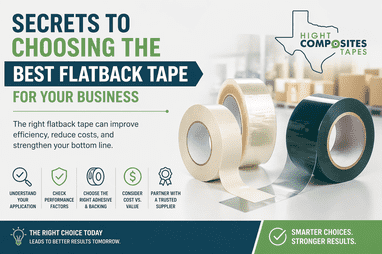
Secrets to Choosing the Best Flatback Tape for Your Business
Picking the right flatback tape might sound easy, but it’s not always so simple. The wrong tape can slow work down, waste materials, and cost extra money. If you run a business that ships boxes, packages products, or handles delicate items, the tape you choose really matters. A strong, reliable tape keeps things secure and makes your day-to-day tasks easier. Knowing what to look for helps you pick a tape that works every time. Let’s dig into the secrets of choosing the best flatback tape for your business.
Know the Types of Flatback Tape
Not all flatback tapes are the same. Some are thick and super strong, while others are thinner and easier to tear by hand. Heavy-duty tapes are perfect for big shipments or rough packages. Light-duty tapes work better for office use or small boxes. You also have to think about what material your tape will stick to. Cardboard, plastic, and coated paper all need different adhesives. A quick test before buying a big batch can save a lot of trouble later.
Stickiness Matters
Adhesive strength is one of the most important things. A tape that doesn’t stick well can ruin a shipment or mess up a project. Some special tape sticks extra well to tricky surfaces like slick cardboard or plastic. But be careful: if it sticks too much, it can tear the box or leave sticky residue. The goal is a tape that holds strong but doesn’t make a mess. Testing a sample is the safest bet before buying lots of rolls.
Durability Counts
Some tapes fall apart in heat or cold. If your products sit in a warehouse or travel long distances, you need tape that can handle the temperature changes. Good tape won’t peel off in the sun or freeze in cold storage. Long-lasting tapes save money because you don’t need to reseal packages over and over. Durability also makes your business look more professional.
Easy to Use is Key
Flatback tape should be easy to handle. You don’t want a tape that curls, sticks to itself, or jams in a dispenser. For busy workplaces, easy-to-use tape saves time and frustration. Some tapes tear by hand, which is handy for quick jobs. Others work well with machines or tape dispensers. Picking a tape that rolls out smoothly can make a big difference in daily efficiency.
Think About Special Needs
Sometimes standard tape won’t cut it. Some jobs need specific solutions. For example, Printer Grip Tape 4800 works great for machines and printers because it feeds smoothly without jamming. Meanwhile, deluxe indoor painter tape peels off cleanly from walls without leaving sticky residue behind. These specialty tapes might cost a bit more, but they can save time and headaches in tricky situations.
Don’t Forget Cost
Price is always part of the decision. The cheapest tape might seem tempting, but it could tear, leave residue, or fail when you need it most. A slightly pricier tape that lasts longer and sticks better is usually a smarter choice. Buying in bulk can also save money and ensures you have the same quality tape every time. Think about the long-term value, not just the price tag on a single roll.
Test Before You Buy
Testing your tape is super important. Try a few rolls on the surfaces you use most. Check how well it sticks, how easy it is to tear, and whether it leaves residue. Ask staff for feedback too—they often spot problems you might miss. Testing helps make sure your tape works as promised and avoids surprises down the line.
Conclusion
Choosing the right flatback tape is more than just picking a sticky roll. Testing your tape first ensures it works for your business every day. A good tape saves time, protects materials, and makes work smoother. When you take the time to pick the right tape, you make every project faster, easier, and more reliable. Picking smart today keeps your packages secure tomorrow.
Frequently Asked Questions (FAQs)
1. What does flatback tape mean?
Flatback tape is a type of pressure-sensitive adhesive tape made with a paper backing and a strong adhesive layer. It is commonly used in packaging, sealing, and splicing applications. Unlike plastic tapes, flatback tape offers a smooth, non-reflective surface and is easy to tear by hand, making it ideal for both industrial and office use.
2. What are the three types of tapes?
The three main types of tapes used in business and industrial settings include:
- Flatback tape – Best for packaging, sealing cartons, and general-purpose use
- Special tape – Designed for specific applications like heat resistance, moisture protection, or delicate surfaces
- Masking or painter tape – Such as deluxe indoor painter tape, used for clean removal without damaging surfaces
Each type serves a unique purpose, so choosing the right one depends on your application.
3. Can you put paper tape directly on a wound?
No, standard paper or flatback tape should not be used directly on wounds. These tapes are not designed for medical use and may cause irritation or infection. Instead, use medical-grade adhesive tapes specifically made for skin safety. Flatback tape is best reserved for packaging and industrial purposes.
4. What is Intertape 530 utility grade flatback packaging tape?
Intertape 530 is a utility-grade flatback tape designed for light to medium-duty packaging tasks. It features a strong adhesive and paper backing, making it suitable for carton sealing, bundling, and splicing. While it is a reliable option, businesses may also consider advanced alternatives like Printer Grip Tape 4800 for smoother machine performance and reduced jamming in automated systems.
5. What is the best flatback tape for business use?
The best flatback tape depends on your needs. For general packaging, choose a durable tape with strong adhesion. For specialized tasks, special tape like Printer Grip Tape 4800 is ideal for machines, while deluxe indoor painter tape works best for clean removal on delicate surfaces. Testing different options ensures you find the most reliable solution for your workflow.
6. Why is flatback tape better than regular plastic tape?
Flatback tape is often preferred because it is easier to tear, offers better surface grip, and performs well in varying temperatures. It also provides a more professional finish and reduces noise during application compared to plastic tapes.
7. How do I choose the right flatback tape for my business?
To choose the right flatback tape, consider:
- Surface type (cardboard, plastic, coated materials)
- Adhesive strength
- Temperature resistance
- Ease of use with dispensers or machines
- Cost vs. long-term value
Testing before bulk purchase ensures the tape meets your business needs.